Auto Apply Bots for Jobs: Do They Work, and What Do They Risk?
Auto apply bots send hundreds of applications, but rarely more interviews. See the data, the account and privacy risks, and a faster targeted approach.
On this pageWhat do auto apply bots for jobs actually do?
Summary
Auto apply bots fill in and submit job applications for you, often hundreds a day. They rarely raise your interview count, because relevance, not speed, limits most searches. Huntr's 2025 data shows tailored resumes converted to interviews at 5.8% versus 3.73% for untailored ones. Bots also break platform rules: Indeed prohibits automating its apply process. A better approach is autofill plus human review on fewer, better-matched roles.
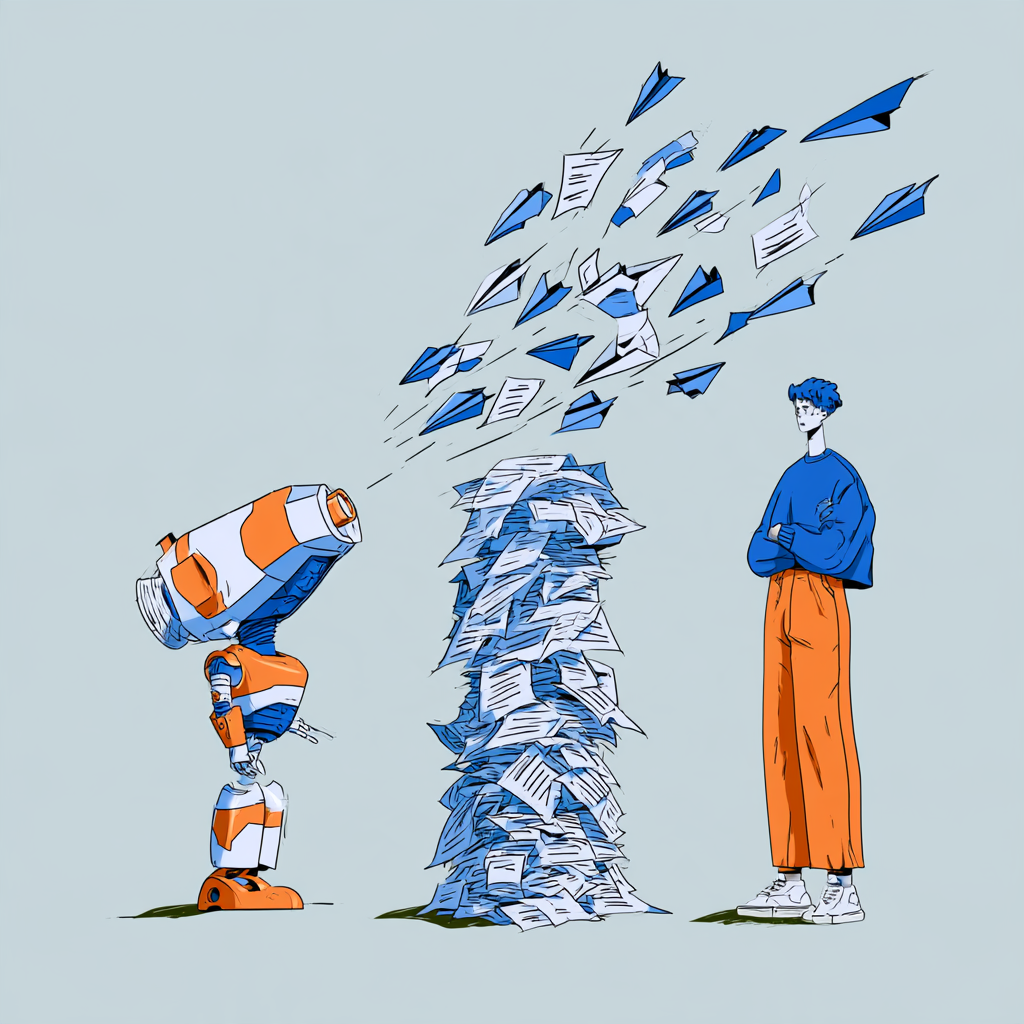
Auto apply bots submit job applications for you, but they rarely produce more interviews. They solve the speed problem, and speed is not what holds most job searches back. Relevance is.
That is the short answer to whether auto apply bots for jobs are worth it. The longer answer depends on the role you want, the job boards you use and how much risk you can accept. Some bots break platform rules. Many send weak applications. A few can save time when a human still checks every submission.
This guide covers what these tools do, what the data says about mass versus targeted applying, the five main risks and a better routine you can run in about an hour a day.
What do auto apply bots for jobs actually do?
Auto apply bots scan job boards for postings that match your filters, then fill in forms and submit applications with your resume, often hundreds per day. Some also write cover letters and answer screening questions. Autofill tools are different: they complete forms, but you review and submit each application yourself.
The market splits into two kinds of tools.
Hands-off appliers run on their own. You set a job title, location and salary range, and the tool applies until it hits a daily cap or runs out of credits. Hiration describes2 these as tools that keep submitting automatically, with little or no review.
Autofill assistants work as a copilot. They pull your details into the form, and you check the answers and press submit. Hiration recommends this model over full automation for most job seekers.
Bots can also generate application materials. A 404 Media reporter3 tested an open-source bot that applied to 17 jobs in an hour on LinkedIn. It filled Easy Apply forms, wrote cover letters and answered screening questions on work authorization and military service.
That last part matters. If a bot answers a knockout question wrong, the application can be screened out before anyone sees it. Our sibling guide to ATS knockout questions explains how those filters work.
Do auto apply bots work?
Mostly no, if success means interviews. Jobscan estimates fully automated tools see callback rates of roughly 1% to 6%, versus about 5% to 15% for copilot tools with human review. Hiring teams also report that AI-generated applications slow them down, which makes generic submissions easier to ignore.
Outcome data is thin, and most of it comes from vendors or users. Still, the signals point the same way.
Jobscan's review of auto-apply tools1 estimates callback rates of about 1% to 6% for fully automated tools. Copilot tools with human review land around 5% to 15%. Jobscan is clear that these are estimates, so treat them as ranges, not promises.
The employer side explains why. In a Robert Half survey4 of more than 2,000 US hiring managers, 67% said reviewing AI-generated applications has slowed hiring. Another 65% said the surge in applications makes candidate skills harder to verify.
So employers respond with more filters. Robert Half found 38% are adding interviews per candidate and 32% are rewriting job descriptions to discourage generic AI responses. Every bot-sent application raises the bar for everyone, including you.
Where can auto apply bots help? Hiration notes that volume can work for high-volume, entry-level roles with little to differentiate candidates. For professional roles, a generic application tends to blend in with thousands of others.
Check as you read
Does your resume follow these 4 rules?
All 4 rules. Next, put it into your resume.
Build my resumeWhy these rulesSaved on this device
Mass applying vs targeted applying: what does the data show?
Targeted applications convert better. In Huntr's 2025 data, tailored resumes turned into interviews or offers at 5.8%, versus 3.73% for untailored ones, about 1.6 times better. Ten tailored applications can therefore match sixteen generic ones, with less risk and a stronger first impression.
The best public comparison comes from Huntr's 2025 job search report5. It tracked outcomes inside its job tracker during 2025.
| Approach | Submissions tracked | Conversion to interview or beyond |
|---|---|---|
| Tailored resume | 65,088 | 5.8% |
| Untailored resume | More than 1 million | 3.73% |
That gap is about 1.6 times. It means a targeted approach needs fewer applications for the same number of interviews. Huntr's rates are based on users updating their own pipelines, so they are directional, not audited.
Volume still matters, but only up to a point. Our guide on how many jobs you should apply to sets weekly targets by career stage. The goal is a steady flow of well-matched applications, not the highest possible count.
Measure interviews per application
Track one number each week: interviews divided by applications sent. If 40 tailored applications bring 3 interviews, that is 7.5%. If 400 bot applications bring 4, that is 1%. The second search feels busier but wastes far more of your reputation and data.
What are the risks of using auto apply bots?
The five main risks are broken platform rules and account bans, low-quality or wrong submissions, being flagged as spam, a poor impression with recruiters, and data privacy exposure. Indeed's terms prohibit bots that automate its apply process, and job seekers increasingly report fake postings that collect personal data.
1. Account bans. Indeed's Terms of Service6 state that "use of any automation, scripting, or bots to automate the Indeed Apply process outside of Indeed's official vendors and tooling is prohibited." Jobscan notes that LinkedIn's User Agreement also prohibits bots and that permanent bans have been documented.
2. Low-quality applications. Bots apply to roles in the wrong location or seniority, send duplicates and enter wrong answers. Hiration lists all three as common failure modes.
3. Spam filters. Jobscan reports that some applicant tracking systems use fraud scoring and can block IP ranges. Mass applications from one email address can also get flagged.
4. Recruiter perception. Recruiters already wade through junk. Greenhouse's 2025 AI in Hiring report7 found 34% of US recruiters and hiring managers spend up to half their week filtering spam and junk applications. A mismatched bot application looks exactly like that.
5. Data privacy. A bot does not vet employers before sharing your address and work history. Greenhouse found 69% of US job seekers have encountered fake job postings. The FTC reported8 that job scam losses passed $220 million in the first half of 2024 alone.
There is also vendor risk. Hiration notes that one well-known auto-apply service shut down in February 2024, cutting users off from their application histories. Keep your own job application tracker so your records never depend on a tool.
Is it ever worth using an auto apply tool?
It can be, in narrow cases. Autofill that you review before each submission is low risk and saves typing. Full automation fits only high-volume, standardized roles where tailoring adds little. Never let a bot apply on platforms that ban automation, or answer screening questions without your check.
Use this quick rule to decide.
Do
- Use autofill to complete repeat fields like address and work history
- Review every answer before you press submit
- Keep a list of every company that received your data
- Limit any automation to high-volume, entry-level roles
Don’t
- Run a bot on job boards whose terms ban automation
- Let a bot answer work authorization or salary questions
- Apply to the same company several times in one week
- Pay large upfront fees for "1,000 applications a day"
If you still test a tool, start small. Run it for one week on a narrow job title, then compare your interviews per application with your manual baseline. Our overview of AI job search tools covers lower-risk options that help you search and tailor rather than spray.
What is a better approach than auto apply bots?
Apply to fewer roles you clearly match, tailor the resume to each posting, apply within a few days of posting, and add a human touch through a referral or a short recruiter message. Use AI to speed up tailoring and form-filling, but keep your own review on every submission.
Here is a daily routine that keeps volume reasonable and quality high.
- Shortlist 3 to 5 roles where you meet most required qualifications. Skip ghost jobs and postings older than a few weeks.
- Tailor the resume to each posting's top skills and job title. Our guide to tailoring your resume to a job description shows the method.
- Apply on the company site when you can, and answer screening questions yourself.
- Send one human message to a recruiter or a former colleague at the company.
- Log it and follow up after about a week. See how to follow up on a job application.
Tailoring is where most of the time goes, so it is the part worth speeding up. Here is what a tailored summary looks like next to a generic one.
Generic: Motivated professional seeking a challenging role in a growing company.
Tailored: Customer Support Lead with 4 years in B2B SaaS. Cut first-response time from 9 hours to 2 in Zendesk and trained 12 new agents on escalation playbooks.
The same applies to the short note you send after applying.
Hi Dana, I just applied for the Customer Support Lead role (Req 4471). I cut first-response time from 9 hours to 2 at my current SaaS company and would love to bring that to your team.
The Rezoom AI resume builder tailors your resume to a pasted job description in minutes, so you get the speed of automation without sending applications you never read. For how employers view AI-written materials, see our guide to using AI in job applications. And if LinkedIn is your main channel, our sibling article asks whether LinkedIn Easy Apply is worth it.
Related guideHow Many Jobs Should I Apply To? Work BackwardsHow many jobs should I apply to? Estimates run from 32 to 200 per offer — a gap that is really the difference between a 2.5% and an 8% conversion rate.Frequently asked questions
Are auto apply bots legal?
Using them is generally not illegal, but it can break a job board's terms of service. Indeed prohibits bots that automate its apply process, and breaking terms can get your account restricted or banned.
Can recruiters tell if you used an auto apply bot?
Often, yes. Generic cover letters, mismatched roles and repeat applications to one company are common signs. Recruiters may not know which tool you used, but they can see the application was not written for them.
Can LinkedIn ban you for using an auto apply bot?
Yes. Jobscan reports that LinkedIn's User Agreement prohibits bots and that permanent bans have been documented. Losing your profile costs far more than any time a bot saves.
How many applications do auto apply bots send?
Many tools send dozens to hundreds per day, depending on daily caps and credits. One reporter testing an open-source bot saw it apply to 17 LinkedIn jobs in an hour.
Is autofill the same as auto apply?
No. Autofill completes the form fields and leaves you to review and submit. Auto apply submits without your review, which is where most of the risk comes from.
Do auto apply bots work for entry-level jobs?
They work better there than for senior roles, because entry-level, high-volume postings often have little to differentiate candidates. Even then, a quick human review of each answer avoids wrong or duplicate submissions.
Sources
We opened and read each page below. The small numbers in the text point here.
Jobscan2026
Estimated callback rates of about 1–6% for fully automated tools and 5–15%…
jobscan.coHiration2026
Two tool types (autofill vs hands-off); bots apply to wrong roles, duplicate…
hiration.com404 Media2024
Open-source bot applied to 17 LinkedIn jobs in an hour, writing cover…
404media.coRobert Half2026
67% say AI-generated applications slowed hiring; 65% say skills are harder to…
press.roberthalf.comHuntr2026
Tailored resumes converted at 5.8% (65,088 submissions) vs 3.73% untailored (1M+), about…
huntr.coIndeed2026
Terms prohibit automation, scripting or bots to automate the Indeed Apply process…
indeed.comGreenhouse2025
34% of US recruiters and hiring managers spend up to half their…
greenhouse.comFederal Trade Commission2024
Job scam losses exceeded $220 million in the first half of 2024
ftc.gov