

Good reasons for leaving a job are honest, brief and forward-looking: career growth, a better fit for your skills, relocation, a schedule or family change, a layoff or restructuring, or returning to school. On a job application, write a short neutral phrase such as “Seeking career growth” or “Position eliminated.” In an interview, add one sentence of context and then pivot to why the new role fits you. If a layoff is your reason, the resume itself needs separate handling — see how to present a resume after being laid off.
Common reasons for leaving a job and how to phrase them
| Reason | On an application form | In an interview |
|---|---|---|
| Career growth | Seeking career advancement | “I’ve learned a lot, but there’s no path to a senior role, and this position offers that.” |
| Better use of skills | Seeking a role aligned with my skills | “I want to focus more on data analysis, which is central to this job.” |
| Layoff or restructuring | Position eliminated / Company restructuring | “My role was cut in a company-wide restructuring affecting 15% of staff.” |
| Relocation | Relocated | “We moved to Denver for my partner’s job, so I’m looking locally.” |
| Contract or seasonal end | Contract ended / Seasonal position | “It was a six-month contract that ended as planned.” |
| Schedule or family | Personal / Schedule change | “I needed a more predictable schedule for family reasons, which this role offers.” |
| Returning to school | Returned to school | “I left to complete my degree full time and I’m now ready to return.” |
| Health (resolved) | Personal reasons | “I took time off for a personal matter that is fully resolved.” |
| Company or culture change | Seeking a better fit | “After a merger, the role changed a lot; I’m looking for a team focused on X.” |
How to write reasons for leaving a job on an application
- Keep it to a few words. The form field is a screening check, not an essay.
- Stay neutral. Avoid words like “fired,” “toxic” or “bad manager.”
- Be truthful. Employers can verify dates and, in many cases, rehire eligibility.
- Be consistent. Use the same reason on the application, your resume dates and in the interview.
If you were fired, “Terminated” or “Let go” is honest; however, many applicants write “Involuntary separation” and explain briefly in the interview. Above all, never claim you were laid off if you were not.
How to answer “Why did you leave your last job?” in an interview
When interviewers ask about your reasons for leaving a job, use a simple three-part structure: the fact, what you learned, and why this role is the right next step. It is also one of the questions almost every recruiter phone screen includes, so keep the answer short enough to survive a ten-minute call.
“After three years as a support specialist, I’d become the go-to person for training new hires, but there wasn’t room to move into a team lead role. I’m looking for a position where coaching is part of the job, which is why this team lead opening stood out to me.”
For more interview answers in the same style, see how to answer “Why do you want to work here?” and our list of common interview questions.
Reasons for leaving a job to avoid
- Criticizing your boss, coworkers or company.
- “I was bored” or “I didn’t like the work” without a positive direction.
- Money as the only reason; instead, frame it as growth or a better fit.
- Vague answers that sound like you are hiding something.
- A different reason on the application than in the interview.
What if you left several jobs quickly?
If you have several short stints, your reasons for leaving a job matter more. Group short roles honestly (for example, contract or temporary work), and explain the pattern once: “I took contract roles while finishing my certification.” If there is a gap, see our guide on how to explain an employment gap.
Should you put the reason for leaving on your resume?
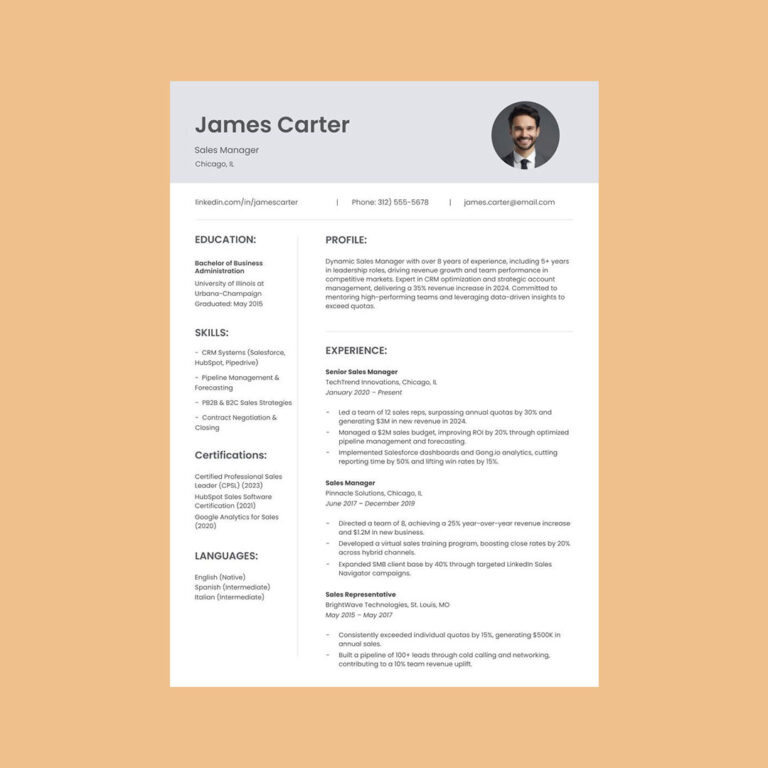
No. A resume lists dates and achievements only. Save the reason for the application form, cover letter (if relevant) or interview. To make the rest of your application strong, build your resume with the Rezoom AI resume builder and check it with the free ATS resume checker.
FAQ: reasons for leaving a job
What is the best reason for leaving a job?
Career growth is the most common and widely accepted reason, as long as you can say what kind of growth the new job offers.
Is “personal reasons” an acceptable answer?
Yes, on an application. In an interview, add one neutral sentence so it does not sound evasive, then move on.
Can an employer check why I left?
Many employers verify dates and titles, and some, and some ask former employers about rehire eligibility. Therefore, keep your answer truthful and consistent. Leaving on good terms also depends on how much notice you actually owe, which is often shorter than people assume.


Comments